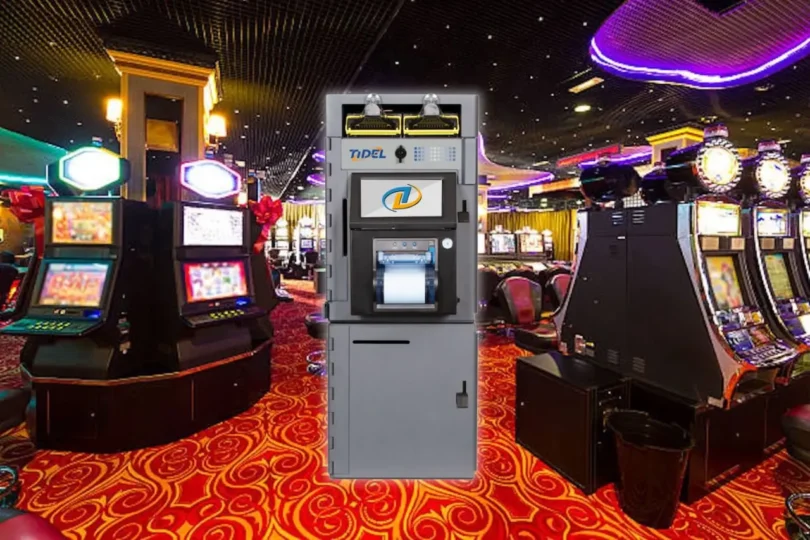
Since the early 1980s, ideas of connecting machines via the internet have been around. Now IoT devices are part of our daily lives. In smart casinos, the Internet of Things (IoT) is creating smart, connected ecosystems. The interconnected devices collect and exchange data. This offers casinos real-time insights they can use to enhance their operations and elevate the player journey.
What is a smart casino?
IoT is changing how both online gambling websites and physical casinos operate. It is easy to notice when playing online slots today or visiting a smart casino rather than a traditional one. Technologies like IoT and AI improve operations and player experiences in many ways. In a smart casino, slot machines are equipped with sensors, and players use RFID-tagged gaming chips. Smart gaming tables use RFID and AI to create more fluid player experiences.
Real-time player profiling and personalization
Casinos don’t have to guess what players want today as they have access to data insights. The IoT devices capture plenty of behavioral data. For example, smart sensors monitor how long players play at certain machines and even how they interact with staff. The data reveals their preferences and habits that inform everything from game recommendations to player rewards. AI-driven personalization can improve revenue per player and retention of players.
Omnichannel experiences
Mobile devices and geofencing extend tracking beyond the casino floor. Players who move between physical and digital spaces have consistent profiles, which allows for unified omnichannel experiences. When players switch from a physical machine to a mobile app, they don’t lose their progress and preferences. Today, they expect such unified experiences, no matter how they choose to engage with casinos.
The role of social media in online gambling is strong, as casinos run targeted advertising campaigns that leverage data availability through various channels. Some sites allow logins by linking social media accounts, which makes registration easy.
Dynamic reward systems
The use of IoT data helps with the creation of dynamic reward systems. Players receive rewards that matter to them and match their interests rather than just generic ones. For example, they may receive points or badges on platforms based on their behavior on connected devices. Engagement and rewards feel natural and responsive rather than forced, which helps with the customer acquisition journey.
Efficient resource management and operational flow
IoT transforms casino operations by helping to maintain operational flow while reducing costs. For instance, predictive maintenance systems can detect potential issues before they cause downtime.
Smart energy systems can reduce energy consumption and operational costs. They monitor and control lighting, heating, and cooling in real time.
RFID tracking of equipment, gaming chips, etc. helps with inventory management. IoT devices track inventory levels and automate reordering processes. This ensures that the casino always has the necessary supplies without wastage due to overstocking.
More privacy and security
More risks to privacy come with the increase in IoT. Casinos need to balance the benefits of having data to personalize experiences with handling the data responsibly. Most of them use advanced encryption, such as AES, to protect data transmitted between devices and servers.
More casinos are starting to implement biometric technologies like fingerprinting or facial recognition scans. One of the ways this can help is to identify and stop self-excluded individuals who attempt re-entry.
The use of RFID technology in casino chips helps to reduce fraud risks. The house can track the movements and location of players in real time. This offers better security than the traditional use of cameras and human personnel.
Better customer relationships
IoT-integrated CRM systems change how casinos manage customer relationships across every touchpoint. Smart segmentation becomes possible when processing IoT data streams. Casinos can group players in various ways, such as according to their spending habits or their risk appetite. They can then target their marketing campaigns to individual needs and motivations.
Advanced payment systems
Many brick-and-mortar casinos use RFID-enabled player cards to enable players to make transactions conveniently and securely. They no longer must walk into a casino with physical cash but load money onto the card to use across different games. Once again, these cards allow casinos to track player behavior and spending.